

An Innovative Experience Through Colour and Nature’s Soulful Touch

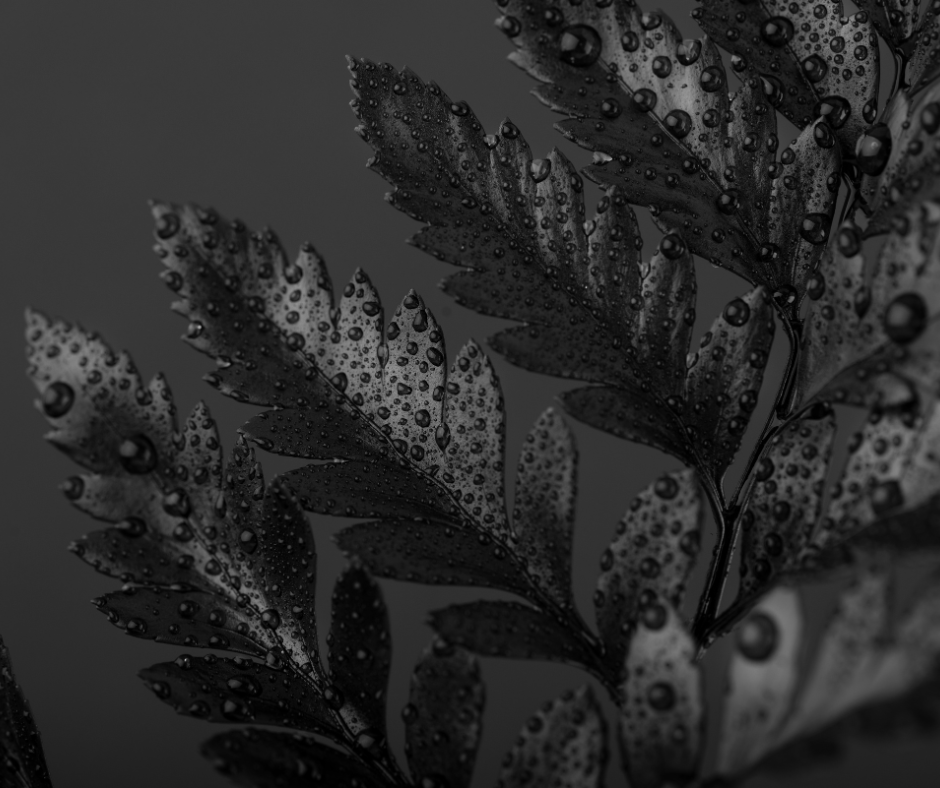
In the world of art, colour is more than a visual element. It is emotion, atmosphere, memory, and energy at the same time. When colour meets nature as a subject, the result can become something more than an image — it can become an experience. An innovative artistic experience does not always come from unusual tools or complex techniques, but often from the way an artist sees and interprets nature through colour, light, and feeling.
Nature has always been one of the greatest sources of inspiration for artists. From landscapes and forests to flowers, birds, insects, water, and sky, nature offers infinite shapes, textures, and colours. But what makes an artwork truly interesting is not only the subject, but the way the artist transforms what they see into something personal and expressive.
Colour as Emotion, Not Just Visual Information
Many people think colour is only about making an image look beautiful or realistic. In reality, colour can completely change the mood and meaning of an artwork. Warm colours like red, orange, and yellow can create energy, warmth, or tension. Cold colours like blue, green, and violet can create calm, silence, or distance.
When artists work with colour inspired by nature, they often do not copy colours exactly as they appear in reality. Instead, they interpret them. A forest does not have to be only green. It can be blue, violet, or gold depending on the light and the emotion the artist wants to create. A sky does not have to be only blue; it can be pink, grey, orange, or almost white.
This freedom of colour interpretation is what makes art innovative. The artist is not only reproducing nature but translating it into emotion and atmosphere.
Nature as a Living Source of Inspiration
Nature is never static. Light changes every minute, seasons change colours, plants grow and decay, water moves, clouds transform constantly. Because of this, nature can never be represented in only one way. Every time an artist observes nature, they see something different.
This is why artists can return to the same subject many times and still create new artworks. The subject may be the same tree, the same field, the same flower, or the same landscape, but the light, colour, and mood are always different.
Nature also contains endless textures: rough bark, soft petals, transparent wings, reflective water, dry soil, smooth stones. When colour is combined with texture, the artwork becomes more alive and more immersive.
The Soulful Touch in Art
The phrase “nature’s soulful touch” refers to something that is difficult to describe but easy to feel. Some artworks feel alive, calm, deep, or emotional even if the subject is simple. This happens when the artist does not only paint or draw what they see, but also what they feel.
A soulful artwork often has:
- soft transitions between colours
- balanced composition
- natural movement
- areas of light and shadow
- textures that look organic
- colours that feel harmonious
These elements create atmosphere. Atmosphere is very important because it transforms an image into an experience. The viewer does not only look at the artwork; they feel something when they look at it.
Innovation Through Vision, Not Only Technique
When people hear the word “innovative,” they often think about new technology, digital tools, or unusual materials. But innovation in art often comes from vision, not tools. Two artists can use the same pencil, the same paper, or the same colours, but create completely different artworks because they see the world differently.
Innovation can mean:
- combining realistic elements with abstract backgrounds
- using unusual colour palettes for natural subjects
- simplifying forms while keeping atmosphere
- focusing on texture and light instead of details
- creating compositions with a lot of empty space
- combining human elements with natural elements
- creating dream-like natural scenes
Innovation in art is often subtle. It does not always have to be shocking or extreme. Sometimes innovation means creating calm, atmospheric artworks in a world that is very loud and crowded visually.
Colour and Atmosphere
One of the most important roles of colour in art is creating atmosphere. Atmosphere is what makes an artwork feel warm, cold, calm, dramatic, mysterious, or nostalgic.
For example:
- Soft greens and light blues can create calm and peace.
- Dark blues and violets can create mystery and silence.
- Warm yellows and oranges can create light and warmth.
- Earth colours like brown, ochre, and dark green can create a natural and grounded feeling.
- Very desaturated colours can create a dream-like or distant atmosphere.
When artists are inspired by nature, they often build colour palettes based on natural environments: forest colours, sunset colours, autumn colours, water colours, stone colours, sky colours. These palettes often feel harmonious because they already exist in nature.
The Relationship Between Colour and Light
Colour cannot exist without light. Light changes colour constantly. Morning light is cold and soft. Midday light is strong and neutral. Evening light is warm and dramatic. Cloudy light is soft and grey. Forest light is green and filtered. Water light is reflective and moving.
Artists who observe nature carefully often pay more attention to light than to the objects themselves. Light defines shape, colour, contrast, and atmosphere. A simple object can look completely different depending on light.
Understanding light is one of the most important things in both drawing and painting. Light creates volume, depth, and mood. Colour becomes much more powerful when the artist understands how light affects it.
Nature and Emotional Connection
People often feel calm when they look at artworks inspired by nature. This happens because humans are naturally connected to natural environments. Even if we live in cities, we still respond emotionally to trees, water, sky, mountains, and natural colours.
Art inspired by nature can create:
- calm
- nostalgia
- curiosity
- silence
- balance
- freedom
- space
- introspection
This emotional connection is very important in art. People do not buy or remember artworks only because they are technically good, but because they feel something when they look at them.
Creating an Experience, Not Just an Image
An innovative experience through colour and nature means that the artwork should be more than a simple representation of a landscape, flower, or creature. The artwork should create a mood, a space, a moment, or a feeling.
When viewers look at the artwork, they should feel like they are entering a place, not just looking at an object. They should feel atmosphere, light, air, and space. This transforms the artwork into an experience.
Artists can create this experience through:
- colour harmony
- soft gradients
- texture
- light and shadow
- simple compositions
- natural forms
- balanced empty space
- organic shapes
- subtle details
The Role of the Artist
The artist is not only someone who copies nature, but someone who interprets it. The artist selects what to show, what to simplify, what to exaggerate, what colours to use, what atmosphere to create. In this way, the artist becomes a bridge between nature and the viewer.
Through colour, light, and composition, the artist can show not only how nature looks, but how nature feels.
Conclusion
An innovative experience through colour and nature’s soulful touch is about more than technique or materials. It is about observation, emotion, atmosphere, and interpretation. Nature provides infinite inspiration, but the artist gives it meaning through colour, light, and composition.
When colour is used not only to describe but to express, and when nature is seen not only as a subject but as a source of atmosphere and emotion, art becomes more than an image. It becomes a space where the viewer can pause, breathe, and reconnect with something quiet, natural, and timeless.
In the end, the true innovation in art is not always about creating something completely new, but about seeing the world in a new way — and helping others see it too.