

A Holistic and Natural View of Astonishing Creatures

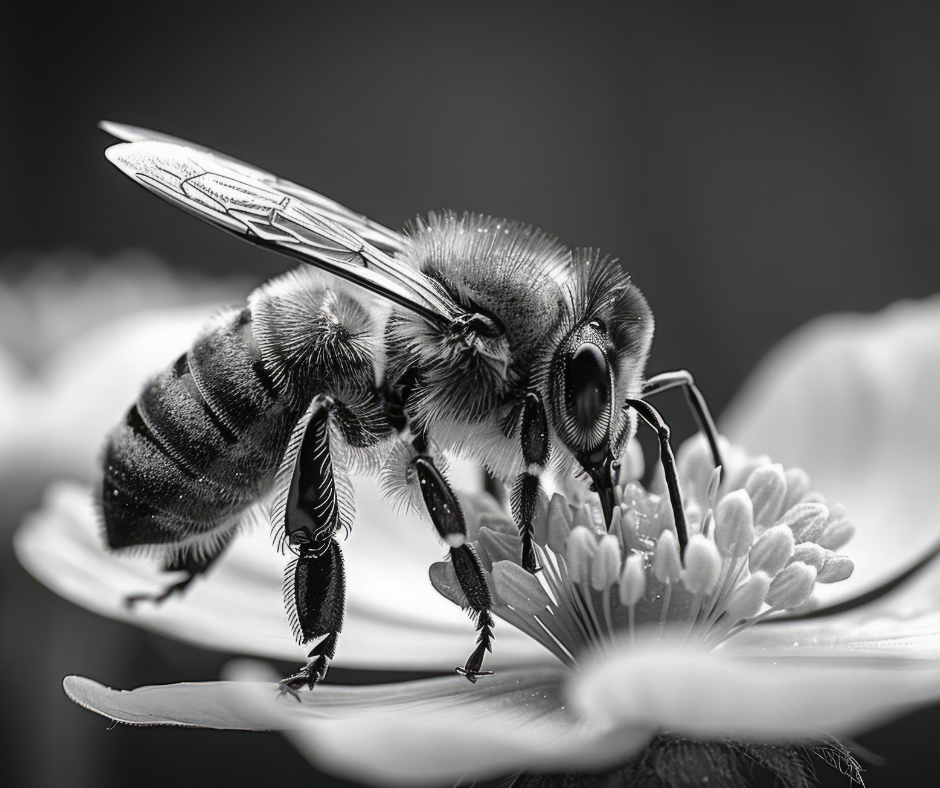
Nature is full of creatures that many people rarely stop to observe. We pass by insects, birds, small animals, and plants every day without really looking at them. Yet if we slow down and observe carefully, we discover an entire world of fascinating shapes, textures, structures, and movements. A holistic and natural view means seeing these creatures not as isolated subjects, but as part of a larger living system.
In art, especially in drawing, observing creatures can become more than a simple act of representation. It becomes a way of understanding nature, structure, balance, and life itself. Every creature, no matter how small, carries complexity and beauty that often goes unnoticed.
Seeing Beyond Appearance
When most people look at a creature, they see only what is obvious: wings, legs, eyes, or body shape. But when an artist studies a creature in order to draw it, they begin to see much more. They notice how the legs connect to the body, how the wings fold, how light reflects on the surface, and how shadows define the form.
Drawing forces observation. You cannot draw something well if you do not truly understand what you are looking at. Because of this, artists often develop a much deeper appreciation for natural forms than people who only look quickly and move on.
This deeper observation is part of a holistic view. The creature is no longer just an insect or a bird. It becomes a structure, a form, a texture, a presence, and part of a larger environment.
The Beauty of Small Creatures
People are often impressed by large animals or dramatic landscapes, but some of the most astonishing creatures are actually very small. Insects, for example, have incredibly complex bodies. Their wings are light but strong, their legs are built for very specific movements, and their bodies often have protective structures that are both functional and beautiful.
When you draw or observe an insect closely, you start to see patterns, textures, and structures that look almost architectural. Some wings look like stained glass windows. Some shells look like polished metal. Some bodies look like small sculptures designed with incredible precision.
This is why small creatures can be such powerful subjects in art. They reveal a level of detail and design that we normally do not notice.
Nature as a Complete System
A holistic view means understanding that no creature exists alone. Every insect depends on plants, air, temperature, and environment. Birds depend on trees, water, and insects. Plants depend on soil, water, light, and pollination. Everything is connected.
When an artist includes natural elements in their work — leaves, branches, stones, water, or landscapes — the creature becomes part of a larger story. The drawing is no longer just about the animal or insect, but about the environment and the balance of nature.
This creates more meaningful artwork because it reflects how nature actually exists: as a system, not as isolated objects.
Drawing as a Way of Understanding
Drawing is not only about creating images. It is also a way of learning and understanding. When you draw a creature, you must understand its structure, proportions, textures, and movement. You start to ask questions: Why are the wings shaped like that? Why are the legs positioned this way? How does light fall on this surface?
Through drawing, the artist becomes an observer and a student of nature. The process is slow and requires patience, but it creates a strong connection between the artist and the subject.
This is one of the reasons graphite drawing is so powerful for studying creatures. Graphite allows soft shading, fine details, textures, and strong contrasts, which are perfect for representing natural forms.
Changing the Way We See Creatures
Many people are afraid of insects or small creatures simply because they do not look closely at them. When something is unfamiliar, it often seems strange or uncomfortable. But when you observe a creature carefully, especially through drawing, you begin to see structure, balance, and even beauty.
Art can change perception. A detailed drawing of an insect can make people see it not as something unpleasant, but as something complex and interesting. The same is true for many creatures that people usually ignore.
Artists have the ability to show people the beauty in things they normally do not notice. This is one of the most important roles of art — not only to create beautiful images, but to change the way people see the world.
Silence and Presence in Natural Subjects
Many creatures exist in silence. Insects move quietly, birds glide through the air, animals move through forests without being seen. This silence can be translated into drawings and artworks.
When a drawing has a simple composition, soft shading, and empty space around the subject, it creates a feeling of calm and silence. The creature appears as if it exists in its own space, undisturbed and timeless.
This type of composition is very powerful because it allows the viewer to focus on the subject and observe it slowly. The artwork becomes something calm and contemplative rather than busy and overwhelming.
The Connection Between Humans and Nature
From a holistic point of view, humans are not separate from nature. We are part of the same system as animals, insects, plants, and landscapes. We depend on the same air, water, and environment. Even the smallest creatures play an important role in maintaining natural balance.
When artists draw creatures and natural elements, they are not only drawing something external. They are also drawing part of the world that humans belong to. This creates a subtle connection between the viewer and the subject.
Art that includes nature often feels calm and balanced because it reflects natural harmony. Even when the subject is small, the idea behind it can be very large.
Why Creatures Are Powerful Subjects in Art
Creatures are fascinating subjects for artists for many reasons:
- They have complex structures.
- They have interesting textures.
- They can be both realistic and symbolic.
- They can be placed in natural or imaginary environments.
- They allow the artist to study anatomy, light, and texture.
- They create atmosphere and storytelling without needing many elements.
A single creature drawn well can be more powerful than a very complex scene because the viewer focuses on form, detail, and presence.
Observing Slowly
One of the most important things both artists and viewers can learn from nature is to observe slowly. Modern life is very fast, and people rarely stop to look carefully at small details. But when you slow down and observe a leaf, a stone, an insect, or a bird, you start to see patterns, textures, and structures that you never noticed before.
Drawing is one of the best ways to learn slow observation. It trains the eye to see proportions, shadows, textures, and details. It also trains patience and attention.
In this way, drawing is not only an artistic activity, but also a way of learning how to see the world more carefully.
A Holistic Way of Seeing the World
A holistic and natural view of astonishing creatures means understanding that beauty and complexity exist everywhere in nature, not only in large or dramatic subjects. Small creatures, simple plants, stones, branches, and landscapes are all part of the same natural system.
Artists who observe nature carefully often try not only to reproduce what they see, but also to capture atmosphere, silence, and presence. The goal is not always realism, but feeling and observation.
When we start to see nature in this way, the world becomes more interesting, more detailed, and more meaningful. We begin to understand that every creature, no matter how small, is part of a larger story — the story of nature, balance, and life.
And sometimes, by simply observing and drawing a small creature, we begin to understand something much bigger about the world around us and about the way we see it.