

The Timeless Fire of Graphite

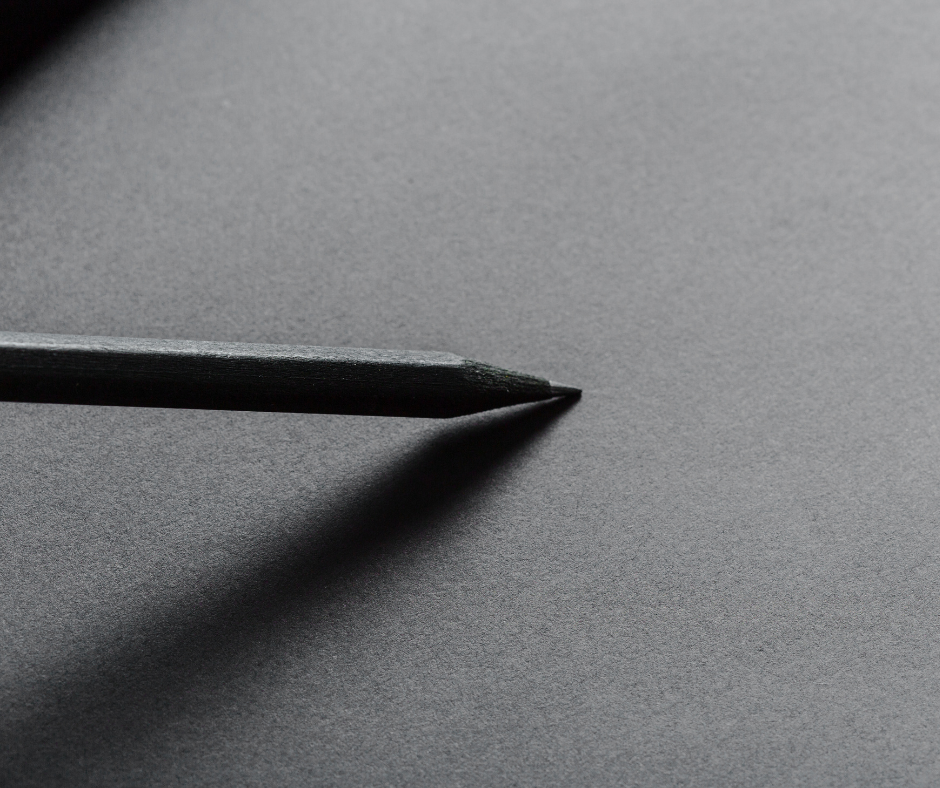
In a world full of digital images, bright colours, and fast content, graphite remains one of the most simple and powerful artistic tools. A pencil and a sheet of paper are enough to create entire worlds made of light, shadow, texture, and emotion. Graphite does not try to impress through colour. Instead, it works through subtlety, patience, and observation. This is why graphite drawing feels timeless.
Graphite drawing is often considered just a sketch or a preparation for a painting, but in reality, graphite is a complete artistic medium. With only shades of grey, an artist can create depth, atmosphere, realism, abstraction, and emotion. Limitations often create creativity, and graphite is a perfect example of this idea.
Drawing With Light and Shadow
When an artist works with graphite, colour disappears and light becomes the most important element. Everything is built using light and shadow. Shapes appear not because of colour, but because of contrast and shading.
This changes the way the artist sees the world. Instead of seeing objects as coloured surfaces, the artist starts to see them as volumes, textures, and light reflections. A simple object becomes a study of light. A face becomes a landscape of shadows. A leaf becomes a structure of lines and textures.
Graphite drawing teaches observation and patience. Shadows are not created in one step. They are built slowly, layer by layer, until the drawing starts to feel alive.
The Power of Texture
One of the most beautiful qualities of graphite is texture. With graphite, an artist can create soft skin, rough bark, transparent wings, fabric, stone, smoke, clouds, and many other surfaces. Texture makes a drawing feel real and tangible.
But texture is not only about realism. Texture also creates emotion. Rough textures can create tension and strength. Soft textures can create calm and silence. Smooth gradients can create distance and atmosphere.
Many graphite drawings become powerful not because of the subject, but because of the textures and the way light moves across the surface of the drawing.
Between Reality and Imagination
Graphite drawings often exist somewhere between reality and imagination. Because there is no colour, the image feels less connected to a specific time or place. The subject can feel real, but also symbolic or dream-like at the same time.
This is why graphite is often used for atmospheric drawings, portraits, creatures, landscapes, and surreal compositions. The absence of colour allows the viewer to focus on form, composition, and emotion.
When an image does not explain everything, the viewer starts to imagine the story behind it. The drawing becomes not only an image, but a space for interpretation.
The Presence of the Artist’s Hand
In graphite drawing, every mark is visible. Every line, every shadow, every erased area shows the movement of the artist’s hand. Unlike digital art, where everything can be perfectly smooth and easily corrected, graphite drawings often show the process behind the image.
This gives graphite drawings a very human quality. The viewer can feel that the drawing was created slowly, through patience and attention. The drawing becomes not only an image, but also a record of time and work.
Sometimes even the small imperfections make a drawing more beautiful because they show that the artwork was made by a human, not a machine.
Silence in Graphite Art
Many graphite drawings feel quiet and calm. This happens because graphite naturally creates soft transitions and subtle contrasts. Even dark areas in graphite are usually not completely black, which gives the drawing a soft and atmospheric look.
Silence is an important element in art. If an image is too crowded or too detailed everywhere, the viewer does not know where to look. But when there are empty spaces, soft backgrounds, and simple compositions, the viewer can focus and observe slowly.
Graphite is perfect for creating this type of calm and contemplative artwork.
Time and Patience
A graphite drawing usually takes a lot of time. Artists often spend many hours building layers of shading, textures, and details. This time becomes part of the artwork itself.
When people look at a detailed graphite drawing, they often feel the time that was invested in it. They see the layers, the textures, and the careful transitions between light and shadow.
In a world where images are created and consumed very quickly, graphite drawings feel different. They feel slow, patient, and intentional.
Why Graphite Is Timeless
Graphite has been used by artists for centuries, and it is still used today. The reason is simple: graphite is direct and honest. There are very few tools between the artist’s hand and the paper. The artist cannot hide behind colour or effects. Everything depends on observation, composition, and shading.
Graphite is also very versatile. It can be used for quick sketches, detailed realism, abstract drawings, textures, portraits, landscapes, and conceptual art. It can be soft and atmospheric or dark and dramatic.
Most importantly, graphite does not depend on trends. Styles change, technology changes, but drawing with a pencil on paper remains the same. That is why graphite drawing never becomes outdated.
The Fire Behind the Pencil
The title The Timeless Fire of Graphite may sound unusual because graphite is grey and quiet, not something we normally associate with fire. But the fire is not in the material — it is in the process.
The fire is the patience required to build shadows.
The fire is the concentration needed to observe details.
The fire is the time spent working on textures and light.
The fire is the moment when the drawing finally feels alive.
This is a slow fire, not a fast one. It is the fire of creativity, attention, and passion for drawing.
Conclusion
Graphite drawing is one of the most simple and most powerful forms of art. With only a pencil and paper, an artist can create light, shadow, texture, atmosphere, and emotion. Graphite teaches patience, observation, and attention to detail.
In a modern world full of colour, screens, and fast images, graphite remains something quiet, slow, and timeless. It reminds us that art does not always need complex tools or bright colours. Sometimes, the most powerful artworks are created with the simplest materials.
And as long as there are artists who observe the world carefully and patiently build images through light and shadow, the timeless fire of graphite will continue to exist.